
Versions
Vortex—D
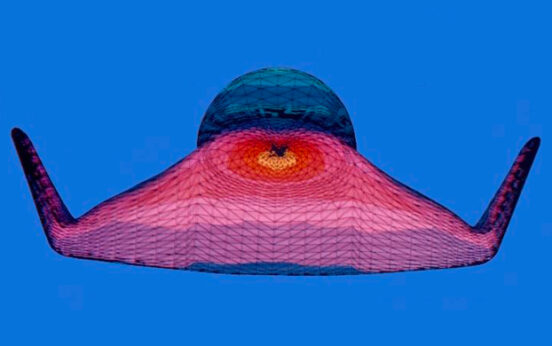
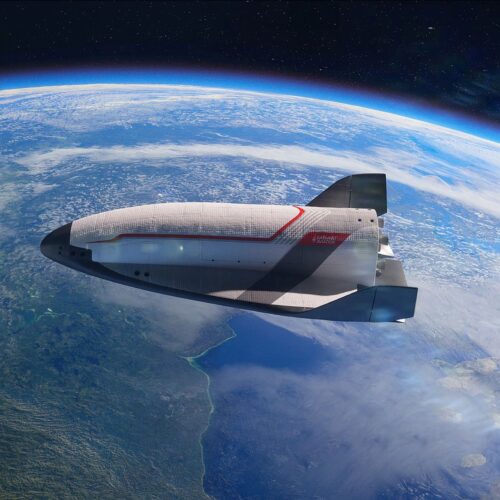
The first step of the program is Vortex-D, a 4-meters demonstrator weighting 1 ton, supported by the French Defense Procurement Agency (DGA).
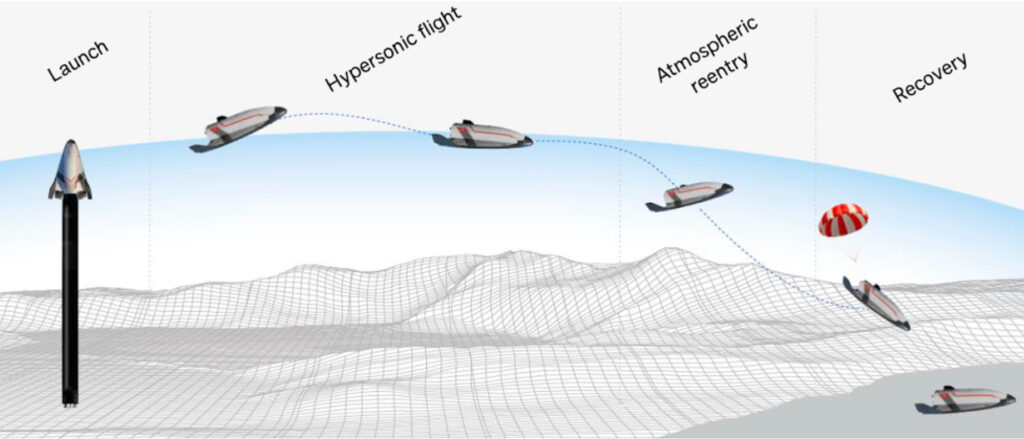
The demonstrator’s suborbital flight will take place in 2028; it will re-enter at Mach 10+.
The objectives of the Vortex-D are:
- Validation of the aerodynamic design;
- Validation of hypersonic technologies, including flight controls;
- Validation of flight control laws;
- Validation of launch without the fairing;
- Qualification of key systems.
© Dassault Aviation
Vortex—S
Vortex-S will succeed to the Vortex-D demonstrator. This spaceplane will give start-ups and large companies access to a unique microgravity environment, offering huge potential for research and production in many fields.
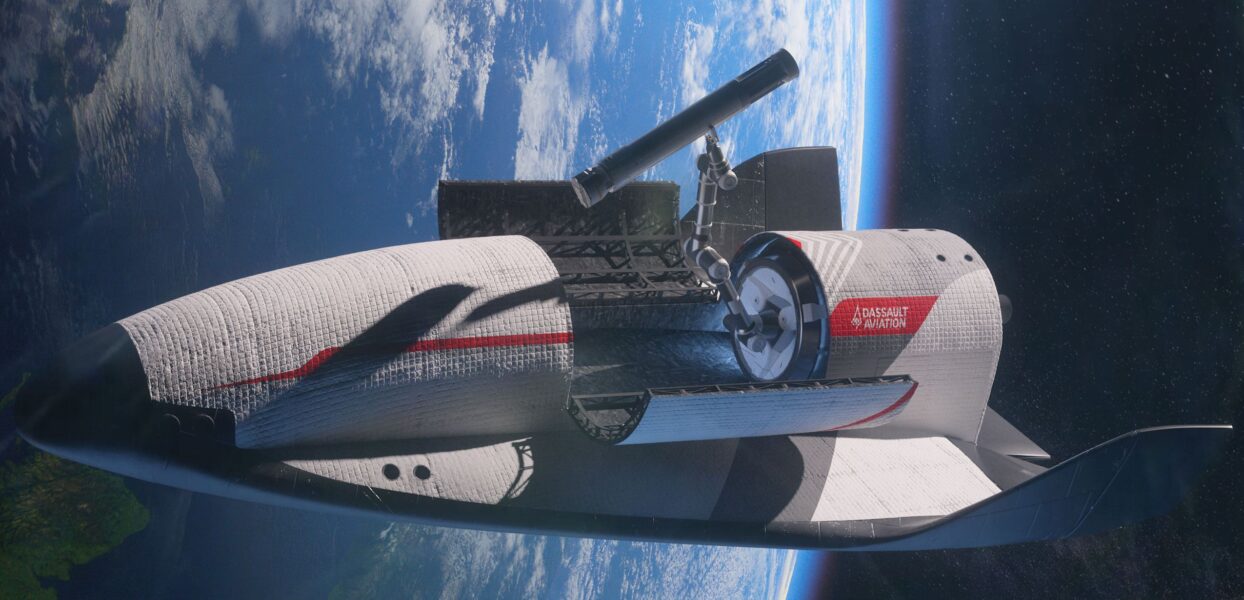
Vortex-S will offer cargo transport capabilities to future private space stations (Commercial Low-Earth Orbit Destinations) or act as a sovereign and autonomous space station. Its characteristics also make it an ideal tool for experimenting and validating orbital technologies in the civil and military sectors.
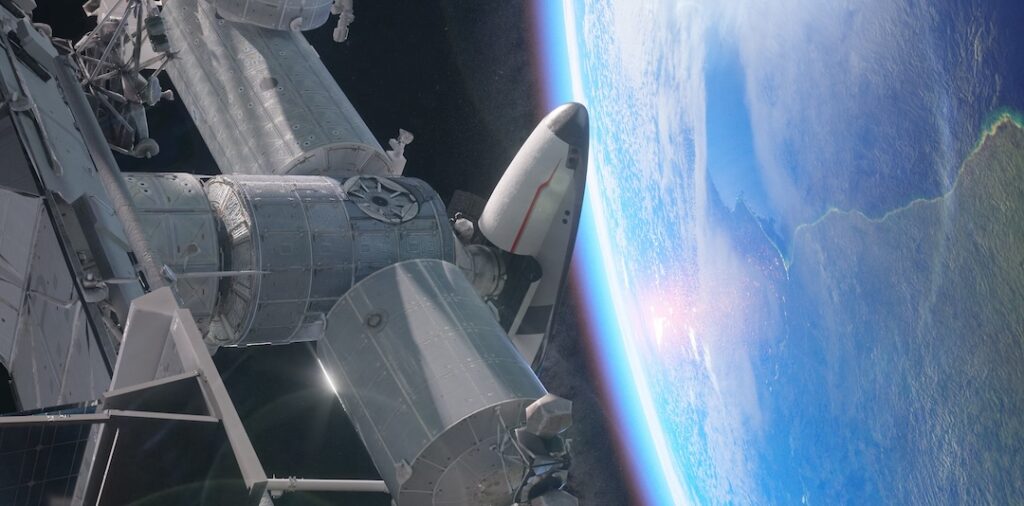
VORTEX-C & H
Vortex-S is designed to anticipate the need for larger variants, allowing more cargo to be transported, or astronauts, to address institutional space stations or future Commercial LEO Destinations.
Vortex-C and H are expected to enter into service by the middle of the next decade.